
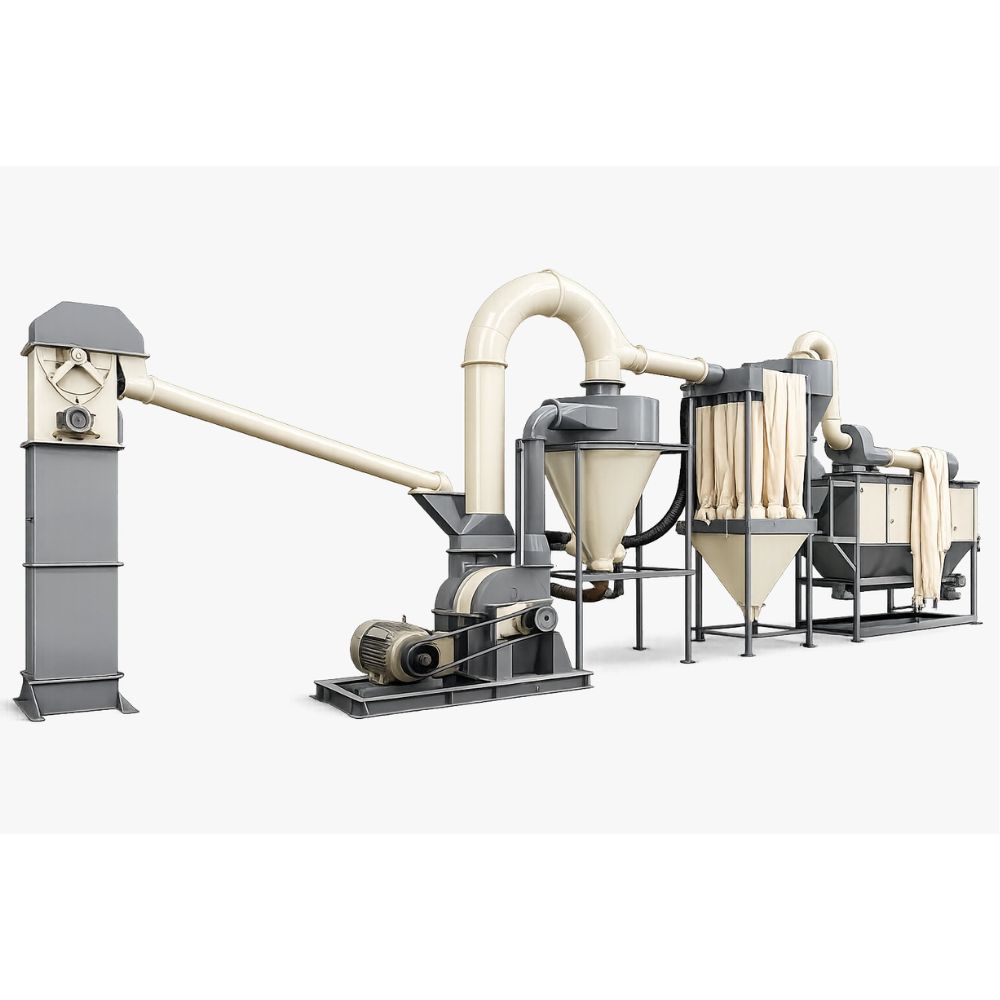
Automatic Besan Plant Setup
Automatic Besan Plant Setup Manufacturer
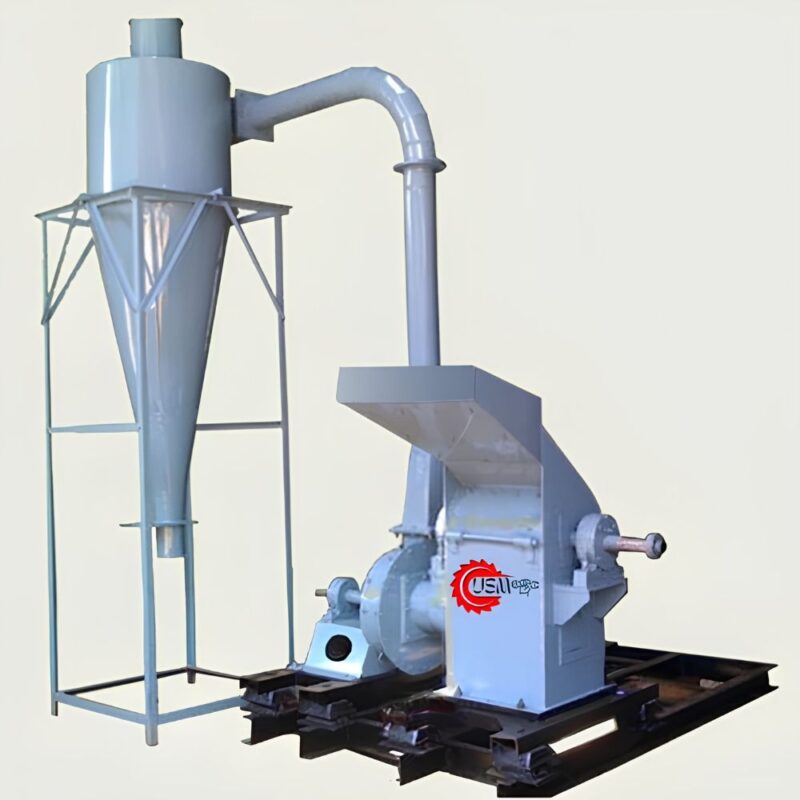
The Automatic Besan Plant Setup is designed for food processing businesses that require an integrated solution for manufacturing besan (gram flour) from chana dal. It is suitable for commercial and industrial production, helping manufacturers streamline material handling, grinding, sieving, collection, and packaging operations. The plant can be configured according to production requirements, available installation space, and the desired fineness of the final product.
With a suitable combination of grinding machinery, separation systems, material transfer equipment, and control mechanisms, an automatic besan plant supports an organized production workflow. It is an ideal solution for flour mills, food processing units, namkeen manufacturers, snack producers, and entrepreneurs planning to establish or expand their besan manufacturing business.
Typical Processing Flow
Raw Chana / Chana Dal → Feeding → Cleaning → Destoning → Grinding / Pulverizing → Sieving / Separation → Fine Besan Collection → Re-Grinding of Coarse Material → Final Sieving → Storage → Packing
The processing flow may vary depending on the selected plant configuration, raw material condition, and production requirements.
Suitable Applications
- Besan (Gram Flour) Production
- Chana Dal Grinding
- Fine and Superfine Gram Flour Processing
- Namkeen and Bhujia Manufacturing
- Pakora and Snack Manufacturing
- Sweets and Bakery Ingredient Production
- Commercial Flour Mills
- Packaged Food Manufacturing
- Food Processing Industries
- Wholesale Besan Supply Businesses
Main Equipment Can Include
- Raw Material Feeding System
- Vibro Cleaner / Pre-Cleaning Machine
- Destoner Machine
- Bucket Elevator
- Screw Conveyor
- Storage Hopper
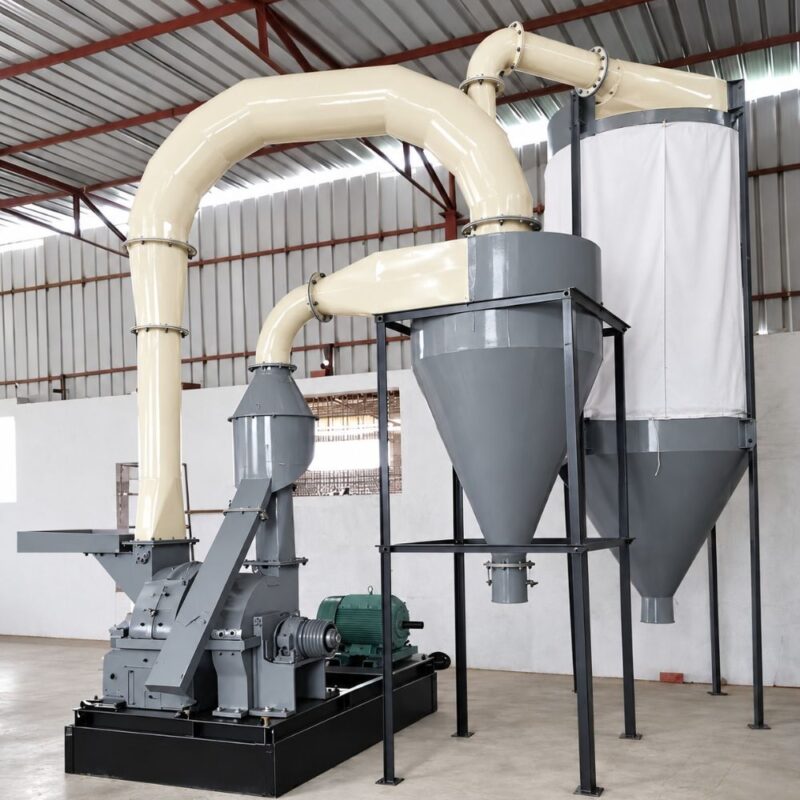
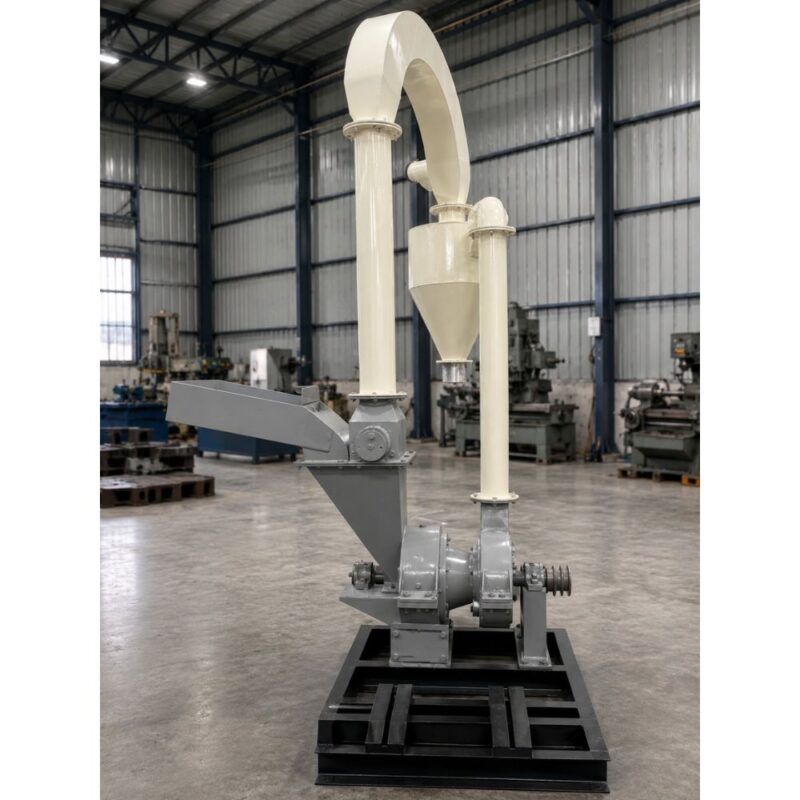
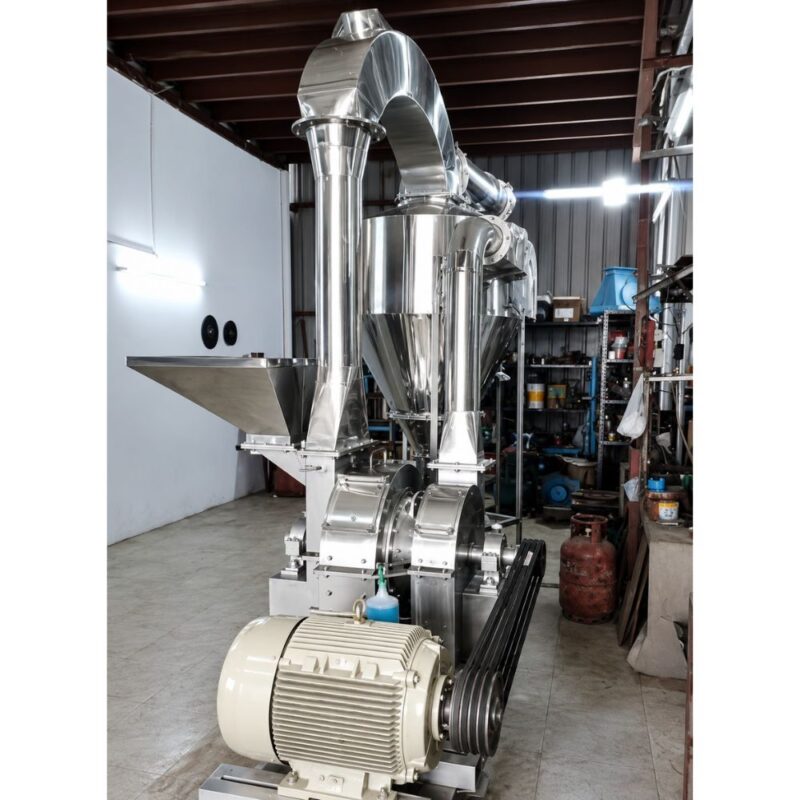
- Besan Pulverizer
- Pin Mill / Impact Pulverizer
- Hammer Mill, Where Required
- Cyclone Separator
- Centrifugal Separator
- Vibro Sifter
- Pneumatic Material Transfer System
- Dust Collection System
- Electrical Control Panel
- Finished Product Storage Hopper
- Weighing and Packing Machine
The final equipment selection depends on the required production capacity, processing method, material handling requirements, and level of automation.
Key Features of Automatic Besan Plant Setup
1. Integrated Processing System
The plant can combine multiple processing stages into a coordinated production line. Integrating feeding, grinding, separation, and collection helps streamline operations and reduces the need for repeated manual material movement between individual machines.
2. Efficient Grinding Performance
Grinding and pulverizing equipment converts chana dal into gram flour with the desired particle size. The grinding arrangement can be selected according to the required output, product fineness, and operating conditions.
3. Uniform Product Quality
Sieving and separation equipment helps classify the ground material according to particle size. Coarser particles can be returned for additional grinding when the selected configuration supports material recirculation, helping achieve a more consistent finished product.
4. Automated Material Handling
Conveyors, elevators, hoppers, and pneumatic transfer systems can move material between different processing stages. This arrangement helps maintain a smooth production flow while reducing manual handling requirements.
5. Improved Dust Management
Cyclones and dust collection equipment help separate powder from conveying air and collect airborne dust at designated points. Appropriate dust management supports cleaner working conditions and better material recovery.
6. Flexible Plant Configuration
The plant can be designed around the customer’s production objectives, available floor space, and preferred automation level. Equipment selection can be adjusted to suit different commercial and industrial requirements.
7. Convenient Operation and Maintenance
A properly planned plant layout allows operators to monitor individual processing stages and carry out routine cleaning, inspection, and maintenance. Accessibility and maintenance requirements should be considered when finalizing the installation design.
Advantages of Automatic Besan Plant Setup
- Integrated grinding and sieving operations
- Reduced manual material handling
- Consistent production workflow
- Better control over finished flour fineness
- Efficient material transfer between machines
- Improved housekeeping through suitable dust collection
- Flexible equipment selection
- Options for different production capacities
- Suitable for commercial and industrial applications
- Potential for reduced repetitive operating tasks
- Easier coordination of multiple processing stages
- Compatible with suitable weighing and packaging systems
Actual production efficiency, energy consumption, and operating costs depend on the selected machinery, installation conditions, raw material quality, and production practices.
Working Process of an Automatic Besan Plant
1. Raw Material Feeding and Cleaning
The process begins with feeding chana or chana dal into the processing line. Suitable cleaning equipment removes dust, unwanted particles, and other impurities before the material enters the grinding section. A destoner can be incorporated to separate stones and other heavy contaminants.
2. Material Transfer
After cleaning, the raw material is transferred to the designated processing equipment using suitable elevators, conveyors, or feeding arrangements. Storage hoppers can help maintain a steady supply of material to the grinding section.
3. Grinding and Pulverizing
The cleaned material enters the selected grinding machine, such as a pin mill, pulverizer, or another suitable grinding system. The machine reduces the material into gram flour according to the required fineness and production specifications.
4. Sieving and Separation
The ground flour passes through suitable sieving or centrifugal separation equipment. Fine besan is separated from coarser particles to achieve the required product consistency. Additional grinding can be arranged for oversized material where necessary.
5. Collection and Storage
The processed besan is collected through the selected separation and conveying arrangement. Suitable hoppers or storage systems can be provided to facilitate the transfer of finished flour to the packaging section.
6. Weighing and Packaging
The final besan can be packed in bags or retail pouches using suitable manual, semi-automatic, or automatic packaging equipment. The packaging arrangement depends on the required pack sizes, production volume, and customer preferences.
Applications Across the Food Industry
An Automatic Besan Plant Setup is suitable for businesses supplying gram flour to restaurants, catering companies, grocery distributors, food manufacturers, and retail markets. Besan is commonly used in the preparation of namkeen, bhujia, pakoras, sweets, bakery products, and various traditional food items.
Food processing businesses can select a plant configuration that supports their target market, production schedule, packaging requirements, and available infrastructure.
Customization and Installation Considerations
Before selecting an Automatic Besan Plant Setup, manufacturers should evaluate the required hourly production capacity, raw material characteristics, desired flour fineness, available installation area, electrical requirements, and packaging needs. These factors help determine the appropriate grinding machinery, separation equipment, conveying arrangement, and control system.
The plant configuration, construction materials, contact-part specifications, and automation level should be finalized according to the application and applicable food-processing requirements. Installation, commissioning, operator training, and after-sales support can also be discussed when planning a complete production facility.
Why Choose an Automatic Besan Plant Setup?
An Automatic Besan Plant Setup offers a practical approach to organizing gram flour production through coordinated processing equipment and material handling systems. By combining suitable cleaning, grinding, sieving, collection, and packaging operations, businesses can develop an efficient production line tailored to their manufacturing objectives.
Whether establishing a new besan manufacturing unit or upgrading an existing flour processing facility, selecting the right plant configuration helps create a scalable foundation for commercial production. Contact the supplier to discuss your required capacity, installation space, equipment configuration, and project-specific requirements before finalizing the plant.

Reviews
There are no reviews yet.