
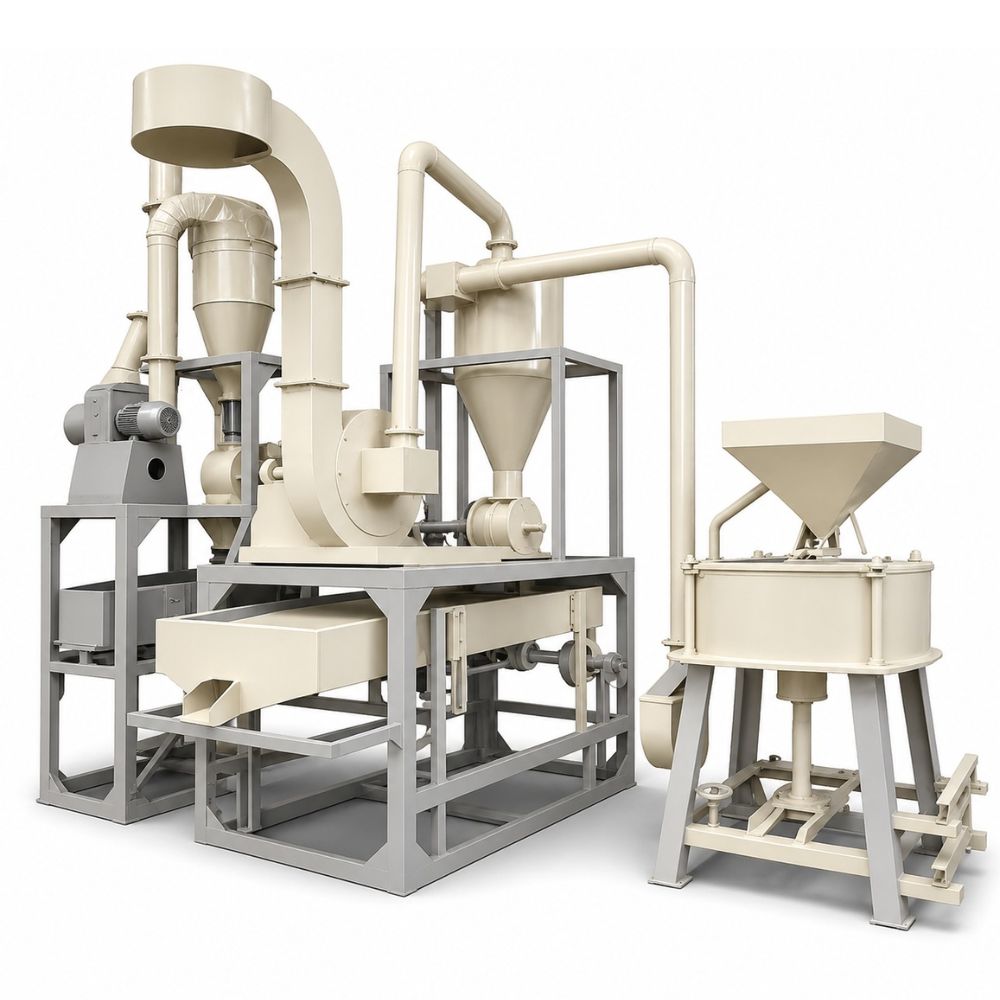
Mini Atta Plant
Mini Atta Plant Manufacturer in India
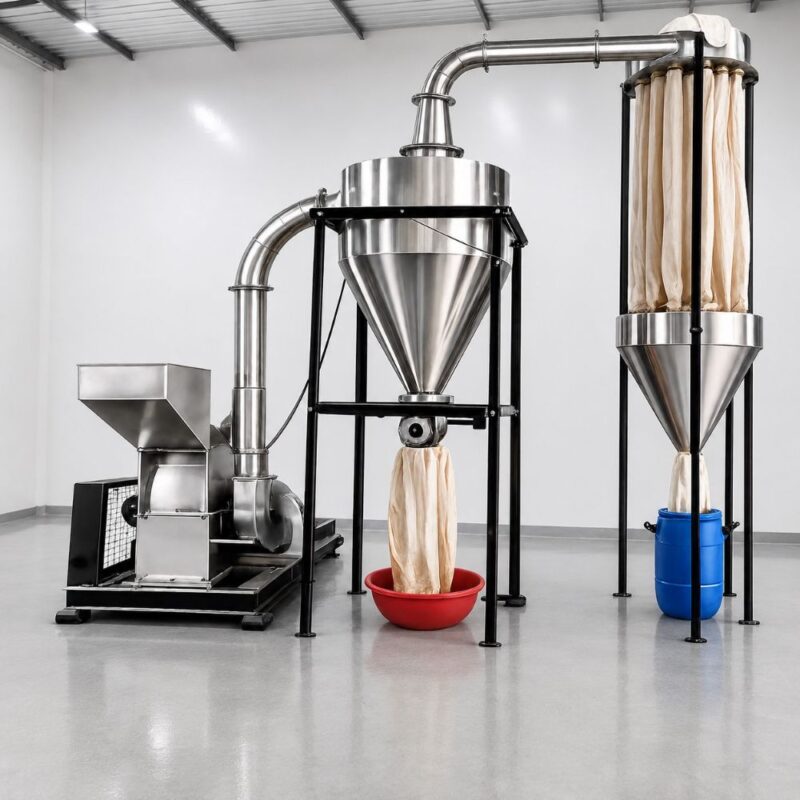
The Mini Atta Plant is designed for grinding wheat and other suitable grains into flour for commercial and small-scale industrial applications. It is a practical solution for entrepreneurs, flour mill owners, grain processing businesses, and food manufacturers looking to establish or expand their flour production operations. With a suitable combination of feeding, grinding, screening, and flour collection equipment, a mini atta plant helps organize the grain processing workflow in a compact and efficient arrangement.
The plant can be configured according to production requirements, available installation space, raw material characteristics, and desired flour quality. It is suitable for businesses supplying fresh wheat flour to local markets, retailers, wholesalers, bakeries, restaurants, and other food-related establishments.
What is a Mini Atta Plant?
A Mini Atta Plant is a grain processing system designed to convert wheat and other compatible grains into flour through mechanical grinding. Depending on the selected configuration, the plant may include feeding equipment, a flour grinding machine, screening arrangements, material transfer systems, and flour collection equipment.
Mini atta plants are suitable for businesses that require a dedicated flour production setup without necessarily installing a large industrial milling facility. The plant configuration can be selected according to the intended application, operating requirements, and expected production volume.
Suitable Materials
- Wheat
- Maize
- Rice
- Gram
- Besan and suitable gram-based materials
- Millet
- Sorghum and other suitable grains
- Selected pulses
- Other compatible dry food materials
Material compatibility depends on the grinding mechanism and machine configuration. Separate adjustments or equipment may be required when processing different materials.
Working Process
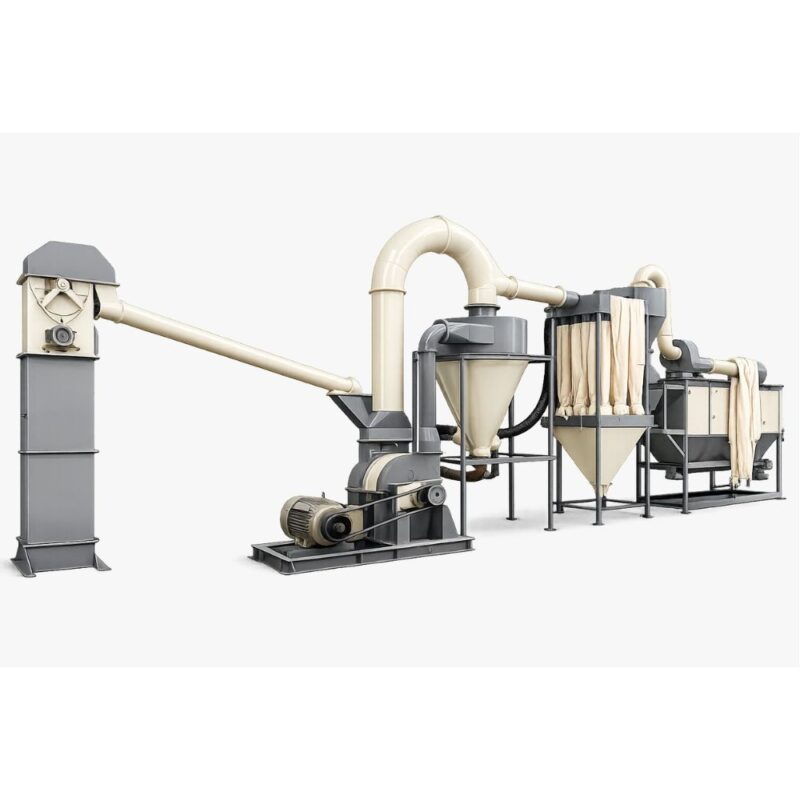
Raw Material Cleaning → Feeding → Grinding → Screening / Sieving → Fine Flour Collection → Storage → Packing
The exact processing sequence depends on the plant configuration and the type of grain being processed. Additional cleaning, separation, or material handling equipment can be incorporated where required.
Main Equipment Can Include
- Raw Material Feeding Hopper
- Grain Cleaning Machine, Where Required
- Flour Grinding Machine
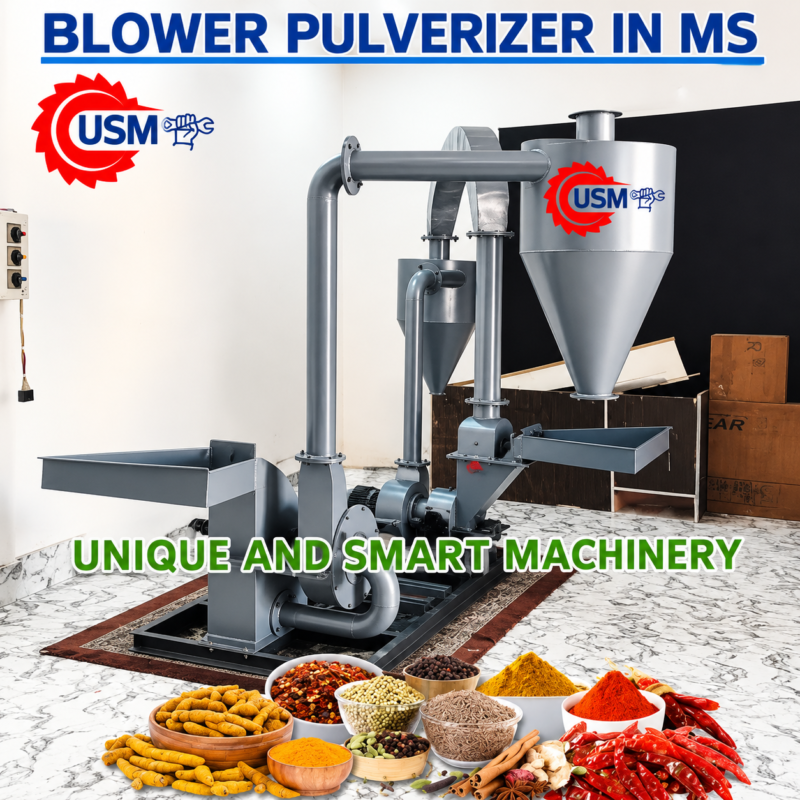
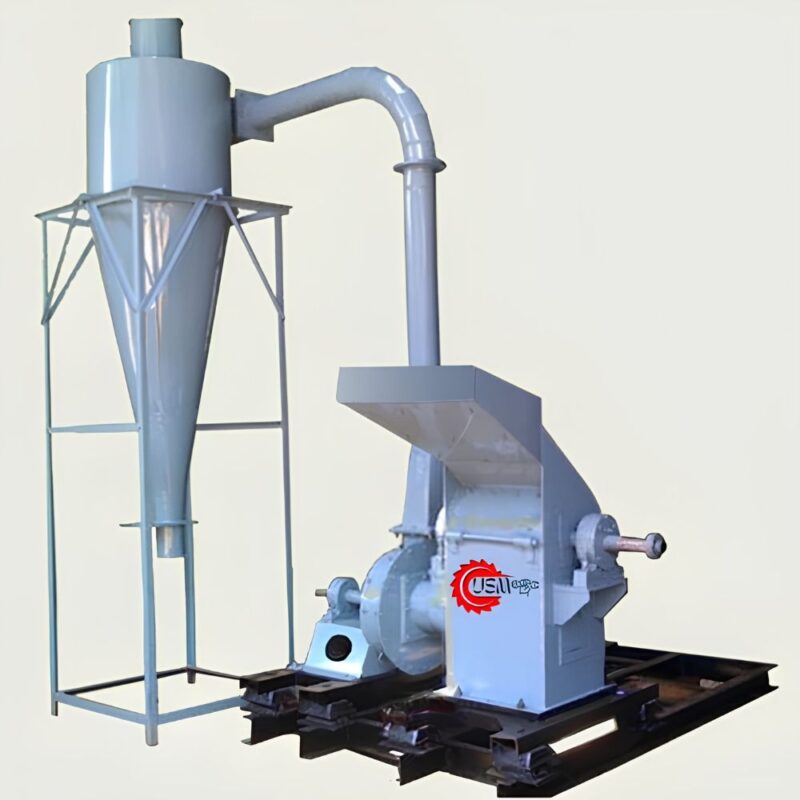
- Pulverizer or Suitable Grinding Mill
- Motor and Drive Assembly
- Screening or Sieving Arrangement
- Bucket Elevator, Where Required
- Screw Conveyor, Where Required
- Storage Hopper
- Flour Collection System
- Cyclone Separator, Where Required
- Dust Collection System, Where Required
- Electrical Control Panel
- Weighing and Packing Equipment, Where Required
The equipment supplied may vary according to the selected model, production capacity, and customer requirements.
Key Features of a Mini Atta Plant
1. Compact Processing Arrangement
A mini atta plant can provide a practical arrangement for businesses with limited installation space. The layout can be planned to accommodate the required grinding, screening, and collection stages while allowing suitable access for operation and maintenance.
2. Efficient Grain Grinding
The grinding machine reduces suitable grains into flour through mechanical size reduction. The grinding configuration should be selected according to the raw material, required particle size, and intended end use.
3. Controlled Flour Fineness
The final flour texture depends on the grinding mechanism, screen or mesh selection, raw material characteristics, and operating conditions. Suitable screening arrangements help achieve the desired particle size for different flour applications.
4. Organized Material Handling
Feeding hoppers, conveyors, elevators, and collection systems can be incorporated to move material between processing stages. These arrangements help streamline operations and reduce repeated manual handling.
5. Flexible Plant Configuration
The equipment layout and supporting components can be selected according to the customer’s production objectives, available space, and material processing requirements. Additional equipment can be considered when a more integrated processing line is needed.
6. Suitable for Commercial Flour Production
The plant can support flour production for local markets, retail packaging, wholesale supply, bakeries, restaurants, and other businesses that require processed grain flour.
Applications
- Wheat flour and atta manufacturing
- Small-scale flour milling businesses
- Commercial grain processing
- Retail flour production
- Wholesale flour supply
- Bakery ingredient preparation
- Restaurant and catering supply
- Suitable maize and rice grinding applications
- Gram and pulse processing, where compatible
- Food processing units
The appropriate machine configuration should be confirmed for each material before production begins.
Advantages of a Mini Atta Plant
- Compact flour processing arrangement
- Suitable for small-scale and commercial operations
- Integrated grinding and flour collection options
- Flexible screening arrangements
- Potential for reduced manual material handling
- Options for additional conveying equipment
- Adaptable configuration for different grain processing needs
- Suitable for fresh flour production
- Can be combined with appropriate weighing and packaging systems
- Practical option for new flour milling businesses
Actual output, energy consumption, flour quality, and operating costs depend on the selected machinery, grain characteristics, installation conditions, and operating practices.
Important Factors Affecting Flour Quality
Raw Material Moisture: Grain moisture influences grinding performance and flour characteristics. Raw materials should be prepared according to the requirements of the selected machine and intended product.
Feeding Rate: An appropriate and consistent feeding rate helps maintain stable operation. Excessive feeding may affect grinding performance and the desired output.
Grinding Speed: The machine’s operating speed influences particle reduction and processing performance. The recommended operating conditions depend on the equipment design.
Screen or Mesh Selection: Screen selection affects the size of particles passing through the grinding system. The correct arrangement should be chosen according to the desired flour fineness.
Raw Material Hardness: Different grains and pulses have different physical properties. These differences can affect machine performance and the selection of suitable grinding equipment.
Required Particle Size: Fine atta, coarse flour, and other grain powders may require different processing settings. The required finished product should be specified before selecting the machine.
Construction Options
Mild Steel Construction: Mild steel construction can be considered for suitable general-purpose grain grinding applications, subject to the machine’s design and operating environment.
Stainless Steel Construction: Stainless steel may be preferred where corrosion resistance, cleaning requirements, or the intended application makes it appropriate.
SS-304 Contact Parts: Stainless steel 304 contact parts can be considered for suitable food-processing applications, depending on the available configuration and product requirements.
The construction material, contact-part specifications, and applicable food-processing requirements should be confirmed with the manufacturer before ordering.
Installation and Maintenance Considerations
Before installing a mini atta plant, businesses should evaluate the available floor space, electrical supply, ventilation, raw material storage, finished flour storage, and packaging requirements. A suitable layout should allow operators to access the machine safely for cleaning, inspection, and routine maintenance.
Regular inspection of grinding components, screens, motors, bearings, and material handling equipment helps support reliable operation. Cleaning procedures should be appropriate for the materials being processed and the machine manufacturer’s recommendations.
Why Choose a Mini Atta Plant?
A Mini Atta Plant offers a practical option for businesses looking to establish a grain grinding operation with a configuration suited to their production needs. By combining suitable grinding, screening, and collection equipment, it can support an organized workflow for producing wheat flour and processing other compatible dry materials.
Whether you are starting a new flour mill or upgrading an existing grain processing business, selecting the right equipment is essential for achieving the desired flour quality and production performance. Contact the manufacturer to discuss your required capacity, raw material, flour fineness, construction preference, installation space, and packaging needs before finalizing the plant configuration.

Reviews
There are no reviews yet.